
Unlocking the Marketing Magic of the Contrast Principle: How to Make Your Offers Irresistible
Estimated reading time: 8 minutes
Key Takeaways
- People suck at judging stuff in isolation. Context is everything.
- Show an expensive or less attractive option first—then watch your main offer shine.
- The order matters big time for bundles, tiers, and discounts.
- Be smart, be ethical, and always test.
Table of contents
- Introduction: The Secret Sauce
- Your Brain’s Favorite Shortcut: What Exactly Is the Contrast Principle?
- Why Our Brains Fall for This Every Single Time
- You’ve Seen It in Action (You Just Didn’t Know It)
- How Smart Marketers Turn Contrast Into Conversion Gold
- Science Is on Your Side
- Your Contrast Principle Toolkit: Start Using It Today
- Bottom Line: Make Your Offers Irresistible Without Cutting Prices
- Frequently Asked Questions
Introduction: The Secret Sauce
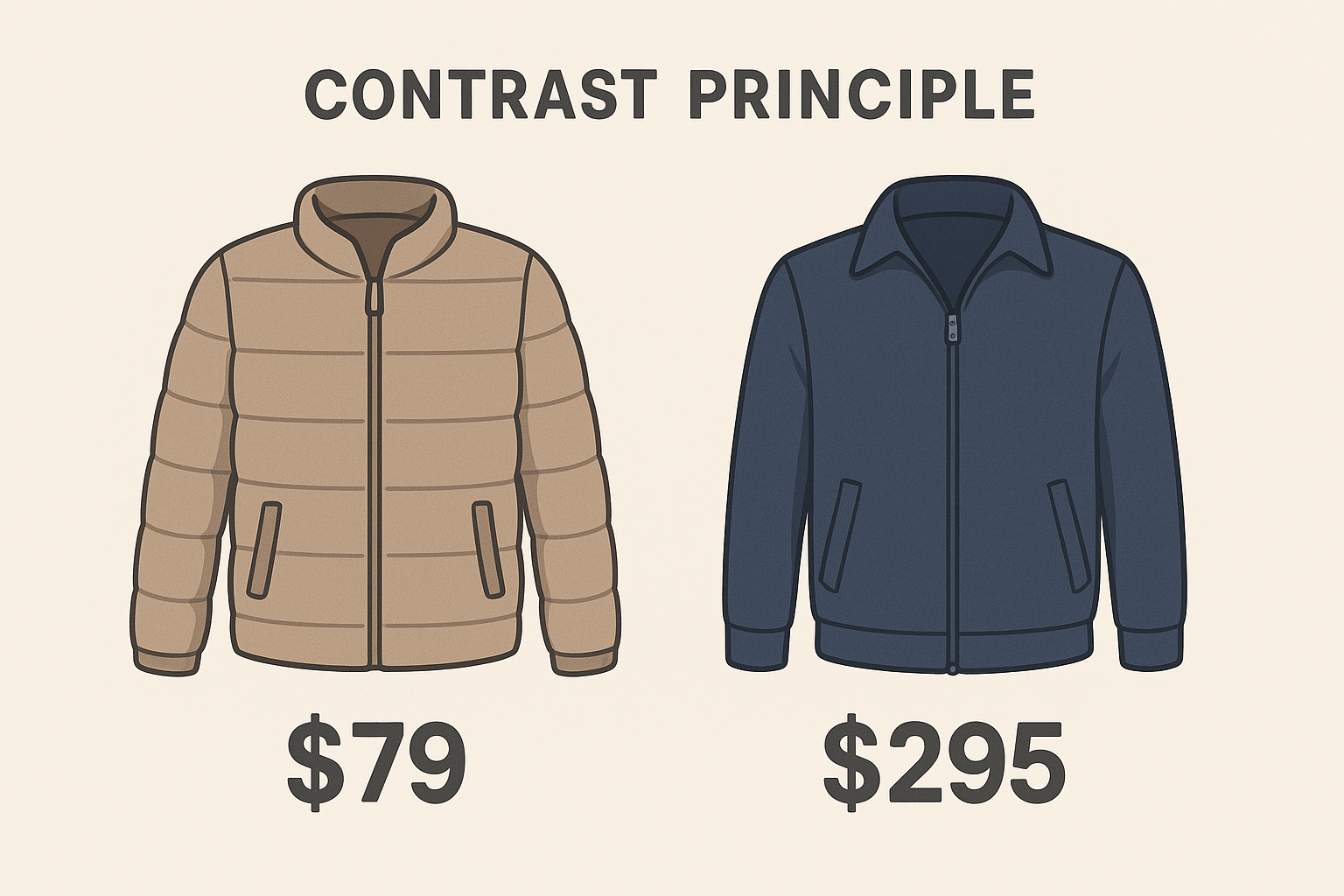
Ever wonder why that $150 jacket suddenly felt like a total steal?
You just saw a $300 jacket, right? Duh.
Here’s the secret sauce behind that feeling: it’s called the Contrast Principle—and it’s basically marketing wizardry at work.
This principle has been around forever, quietly boosting perceived value and pumping up conversions behind the scenes. Think of it as a cheat code for human psychology.
Ready to dive in and harness its power without feeling like a slimy salesperson? Let’s break it down.
Your Brain’s Favorite Shortcut: What Exactly Is the Contrast Principle?
Here’s the deal: your brain is lazy. Mine too.
It hates judging things on their own. Instead, it loves comparing stuff. That’s the power of the Contrast Principle.
Our perception of value, quality, or how good a deal something is? It’s never about absolute numbers. It’s all about what we just saw or experienced before.
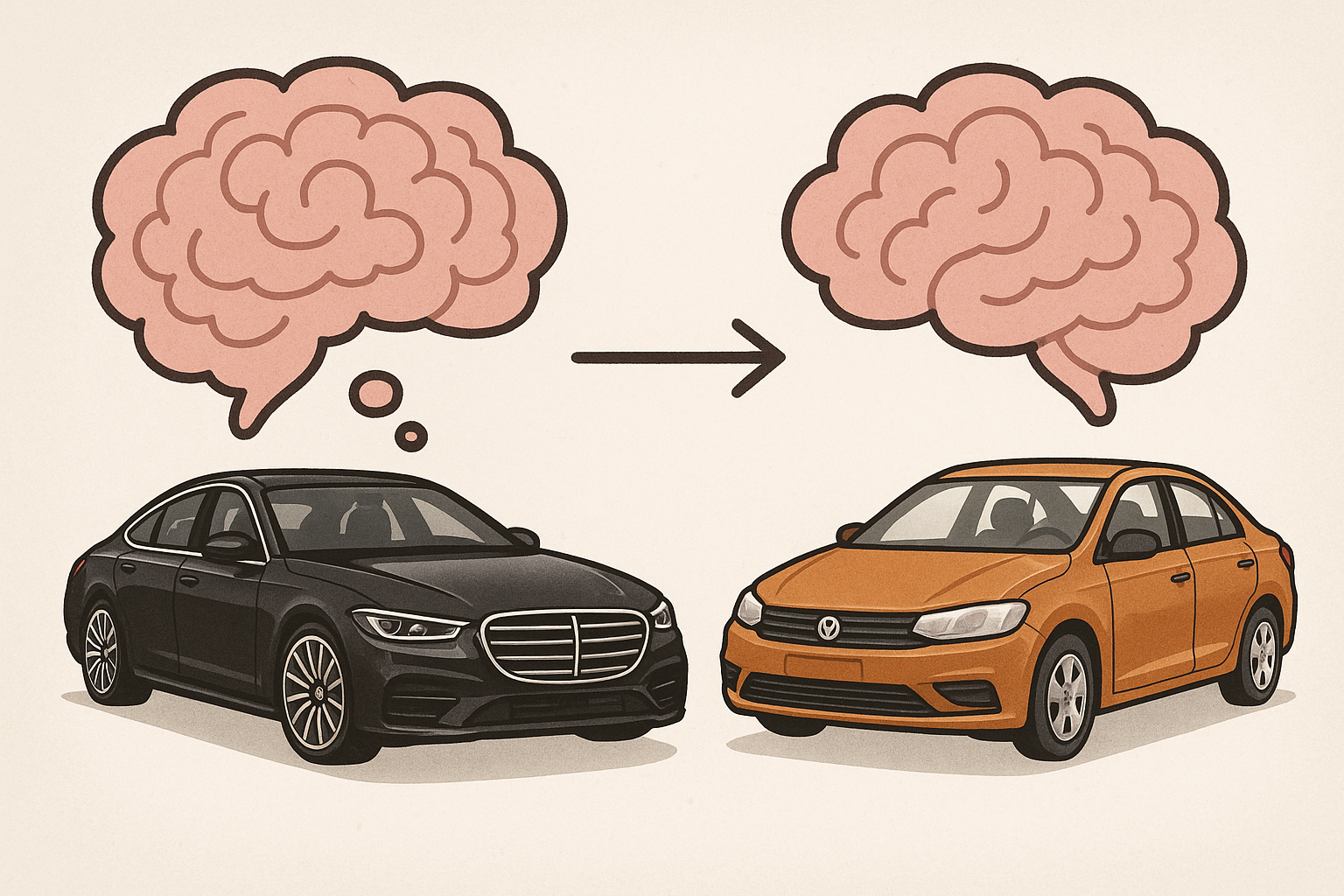
Take this: saw a $100k luxury car? Suddenly, that $50k ride feels like a bargain—even if it’s still a hefty price!
We always judge things relative to something else. Never in isolation.
This isn’t just trivia. This is how you flip perceptions and boost sales.
Why Our Brains Fall for This Every Single Time
Why are we so hooked on quick comparisons?
Because we’re flooded nonstop with choices and info. Our brains need a shortcut to decide what’s “good” or “bad” fast.
Here’s the magic trick:
- Show something expensive or just “meh” first. This sets the baseline.
- Then reveal your real offer. Suddenly, it looks way better, more valuable, or cheaper by comparison.
It’s like dimming the lights before a star’s solo. Suddenly, your offer shines like a supernova.
This isn’t just a trick; it’s how we’re wired. Context is king.
You’ve Seen It in Action (You Just Didn’t Know It)
1. The Premium Product First Play
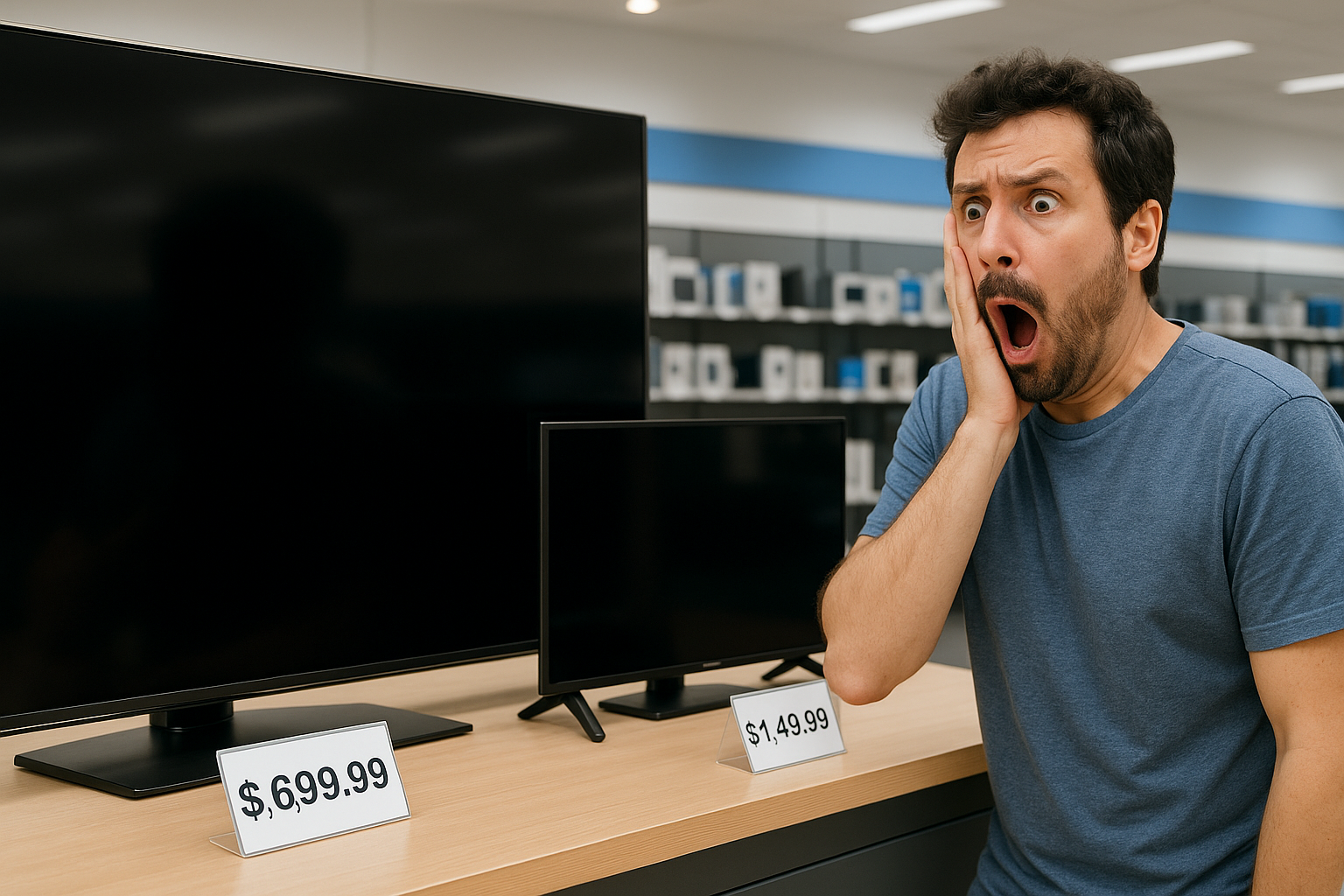
Ever walk into an electronics store and spot the most expensive TV front and center?
Not an accident!
They blast the $5,000 beast—with features you don’t really need—first. Then you see a $1,500 model. Suddenly, that $1,500 TV feels like a steal.
The pricey option sets your “normal,” making other options look smarter.
2. Restaurant Menus: Order Matters
Grab a menu. Notice the appetizers? The priciest often pop up first or sneak in between “regular” choices.
Why? After seeing a $45 Wagyu burger, the $22 artisan pizza seems totally reasonable.
Genius. Your wallet feels smarter.
3. Charity Donations: The Big Ask Trap
Ever had a charity ask start with, “Would you consider donating $500?”
Then a calmer, more reasonable $100 or $50 option follows.
After seeing the $500 ask, $100 feels modest—even generous.
You might’ve rolled your eyes at $100 before, but now it looks like you’re getting off easy.
How Smart Marketers Turn Contrast Into Conversion Gold
This isn’t just psychology nerd stuff. This is raw conversion fuel.
Savvy marketers don’t just know about contrast—they build entire sales sequences around it.
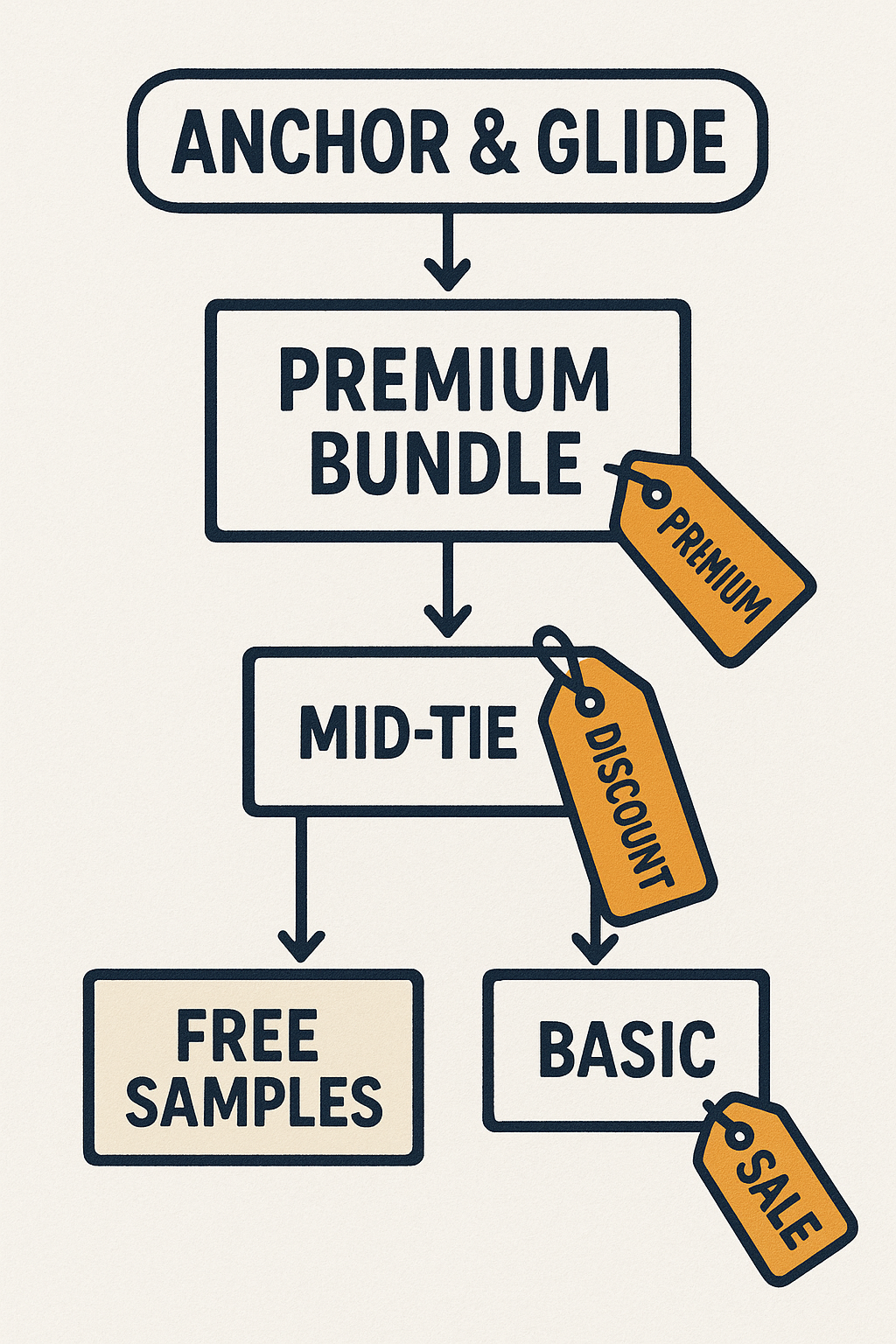
1. The Anchor & Glide Technique
- Lead with the heavy hitter or a less appealing option first. This sets the anchor.
- Then slide into your main offer, which now shines in comparison.
It’s like a bumpy trail leading you to a smooth road. Which path would you choose?
2. Tiered Pricing & Bundles Done Right
- Flash your premium bundle first. Even if most can’t afford it, it looks amazing.
- Then show mid-tier and basic options. The middle one becomes the Goldilocks choice—just right and super reasonable.
Order isn’t just about options—it’s everything.
3. Free Samples: Sneaky Value Boosters
Offering free trials or samples before paid offers? Brilliant move.
The freebie sets a positive reference point and builds trust.
Now, when they see the price, it’s not just cost vs. product—it’s “what I loved free vs. what I can keep enjoying for a fair price.” That perceived value goes through the roof.
4. The Timeless “Was $X, Now $Y” Discount
Classic contrast move—but still gold.
Show the original price crossed out ($200), then the sale price ($120).
That original number? Your anchor.
It makes $120 feel like a victory, not just a number.
(Most people love this game.)
Science Is on Your Side
- Dr. Robert Cialdini, the persuasion guru, explains in Influence how “perceptual contrast” shifts buying decisions. Higher-priced anchors make us more willing to pay.
- Marketing data shows contrast sequencing can boost conversions by 30-50%. Same product, different presentation—huge difference.
- Neuromarketing studies reveal our brains light up with reward signals when offers are compared. We literally feel smarter for choosing the better deal.
Your Contrast Principle Toolkit: Start Using It Today
Ready to be a contrast ninja? Here’s your game plan:
- Know Your Audience: Don’t throw random anchors. What’s pricey or less appealing to your crowd? Tailor it.
- Play Nice: This isn’t about tricking anyone. It’s about helping them see your true value. No fake prices. Trust wins.
- Test Like a Scientist: A/B test your sequences. Anchor A vs. Anchor B? You’ll be surprised.
- Layer Strategies: Combine contrast with scarcity, social proof, or reciprocity for max effect.
Bottom Line: Make Your Offers Irresistible Without Cutting Prices
The Contrast Principle is no fad. It’s a brain truth.
By crafting the order of your offers, you’re not changing your product—you’re changing how people see it.
You’re setting powerful reference points that make your main offer pop, feel more valuable, and downright irresistible.
All without slashing prices or sacrificing quality.
Just by getting the sequence right.
So go ahead—sequence like a pro. Your conversions and your happy customers will thank you.
Frequently Asked Questions
What exactly is the Contrast Principle in marketing?
It’s a psychological tactic where people judge something based on what they saw or experienced immediately before, rather than in isolation. Marketers use this by showing a high-priced or less attractive option first to make the next offer look more appealing.
How can I ethically use the Contrast Principle without tricking customers?
Focus on transparency and genuine value. Use real pricing and honest options tailored to your audience. The goal is to help customers see your true value more clearly, not to confuse or mislead them.
Can the Contrast Principle improve online sales conversions?
Absolutely. By structuring product or pricing options to highlight contrasts, online marketers have seen conversion lifts of 30-50% simply by presenting offers in the right sequence.
What’s the best way to test if contrast sequencing works for my brand?
Use A/B testing with different anchor offers or presentation orders. Measure key metrics like conversion rate, average order value, and customer satisfaction to find the optimal sequence.