
Want Your Message to Actually Stick? Master the Primacy & Recency Effect
Estimated reading time: 7 minutes
Key Takeaways
- Primacy & Recency Effects explain why people remember beginnings and endings best, while the middle is often forgotten.
- Marketing messages placed at the very start and end can boost recall by up to 40%, firing emotional engagement.
- Apply this across ads, email marketing, websites, and presentations to maximize impact and memorability.
- Strategic message placement separates successful campaigns from “meh” forgettable ones.
- Test and optimize your content structure to nail this memory hack with measurable results.
Table of contents
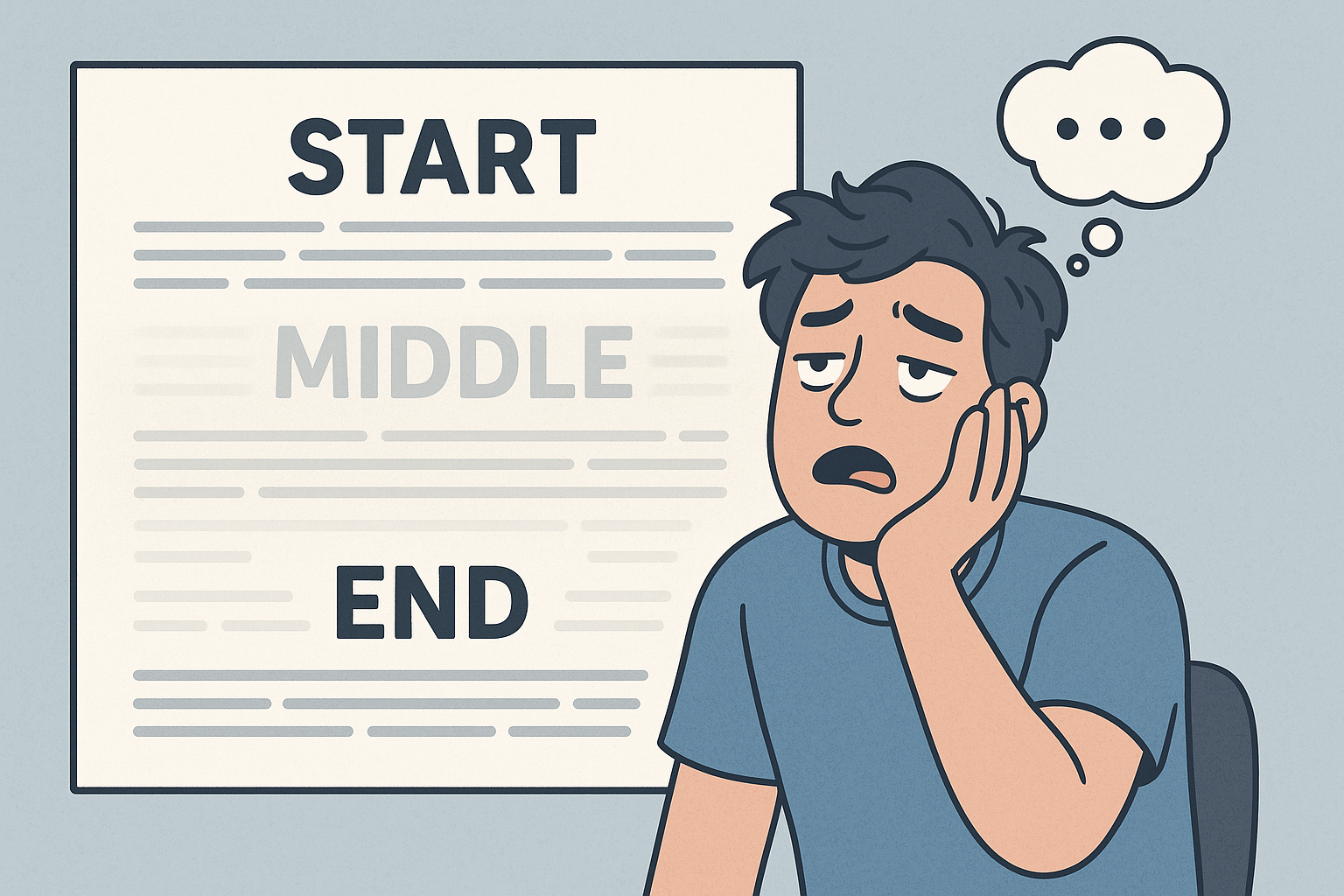
Ever find yourself zoning out through the middle of an article, video, or presentation—only to remember mostly the start and the end?
Yeah, the middle is often a blur. It’s not just your short attention span (we’re all guilty). It’s a fascinating quirk of human memory called the Primacy and Recency Effect.
Once you tap into this, your marketing game gets a serious upgrade.
Primacy & Recency: What Are They Anyway?
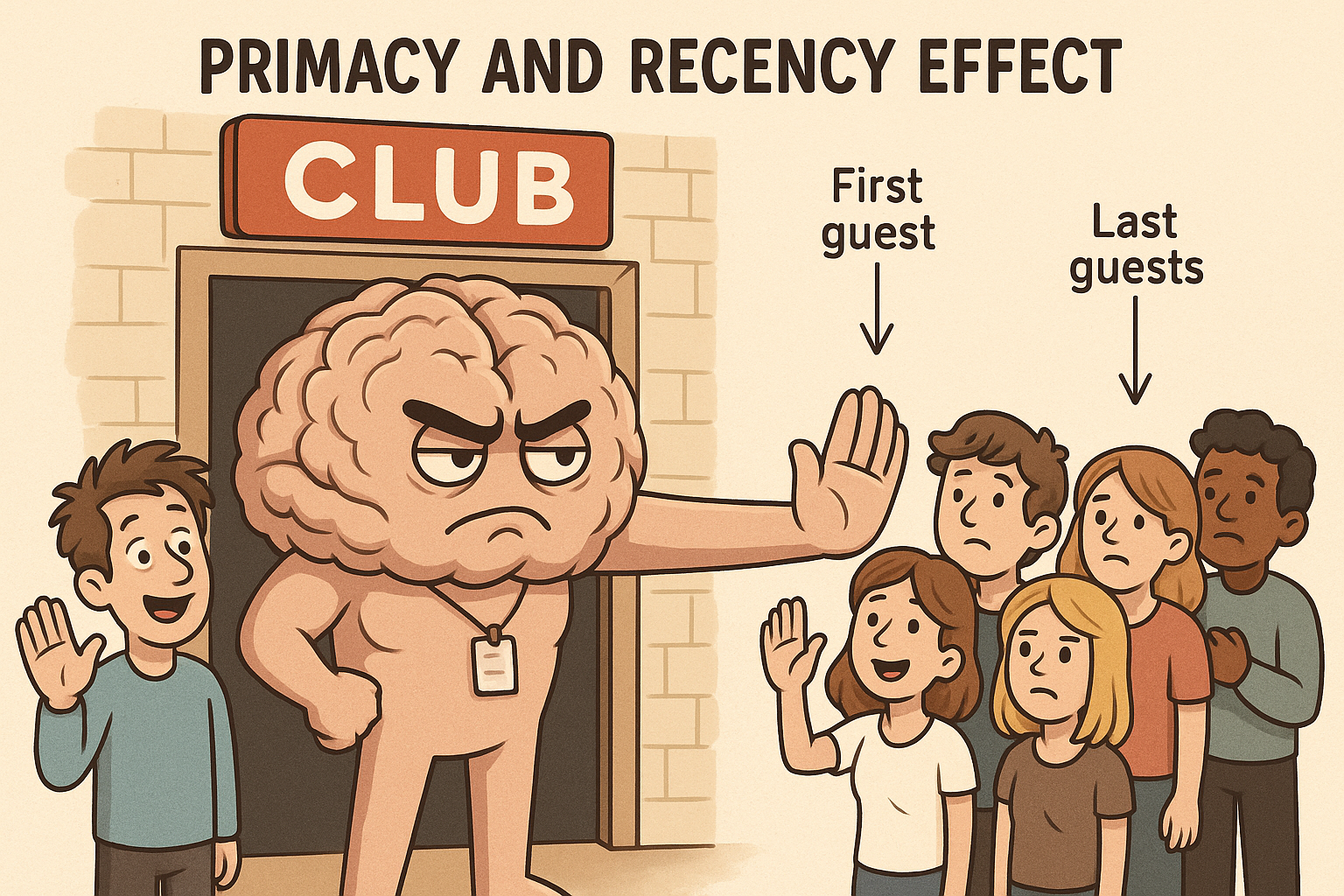
Picture your brain as a club bouncer. The first few guests walk right in because the line’s short. The last few also breeze past since the club’s about to close.
Everyone in the middle? They get the cold shoulder.
That’s the Primacy and Recency Effect in action.
Here’s How Your Brain Picks Favorites:
- Primacy Effect: The info you get first. Your brain is fresh, eager, and soaking it in like the opening act of a concert. This info often locks into your long-term memory.
- Recency Effect: The last tidbits. They linger in your short-term memory, easy to recall—like that encore song still buzzing in your head.
This isn’t just a dusty psych fact from a textbook. It pops up everywhere—classrooms, ads, political debates (yes, even those).
Humans are wired this way. And you’re about to use it to your advantage.
Why You Should Care: Because “Meh” Messages Get Forgotten
Your brain doesn’t listen to everything equally—big deal? Huge.
If your message isn’t remembered, it’s invisible. Invisible messages don’t sell, don’t build brands, and definitely don’t go viral.
Here’s where you can crush the competition: Place your key messages right where they stick.
Numbers Don’t Lie:
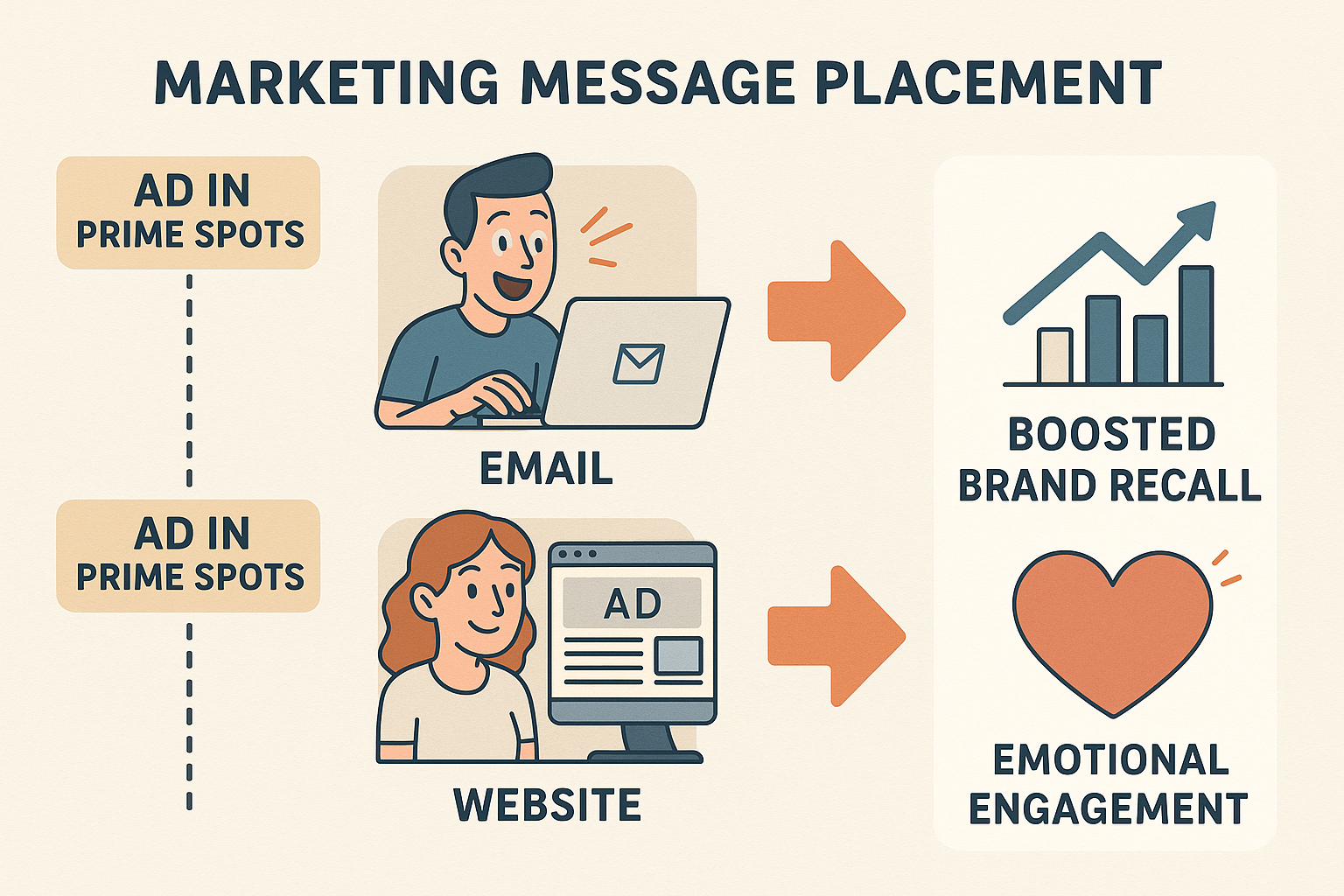
Real studies show that ads placed at the very beginning or very end of a commercial break boost brand recall by up to 40%.
That’s like a free marketing turbo boost.
Neuroscience backs it: strong beginnings and endings don’t just stick—they fire up emotional engagement. And emotions? That’s memory fuel.
Your Playbook: Nail This Memory Hack Today
Enough theory, let’s get practical.
1. Structure Like a Netflix Binge
Hook them early. Leave them wanting more.
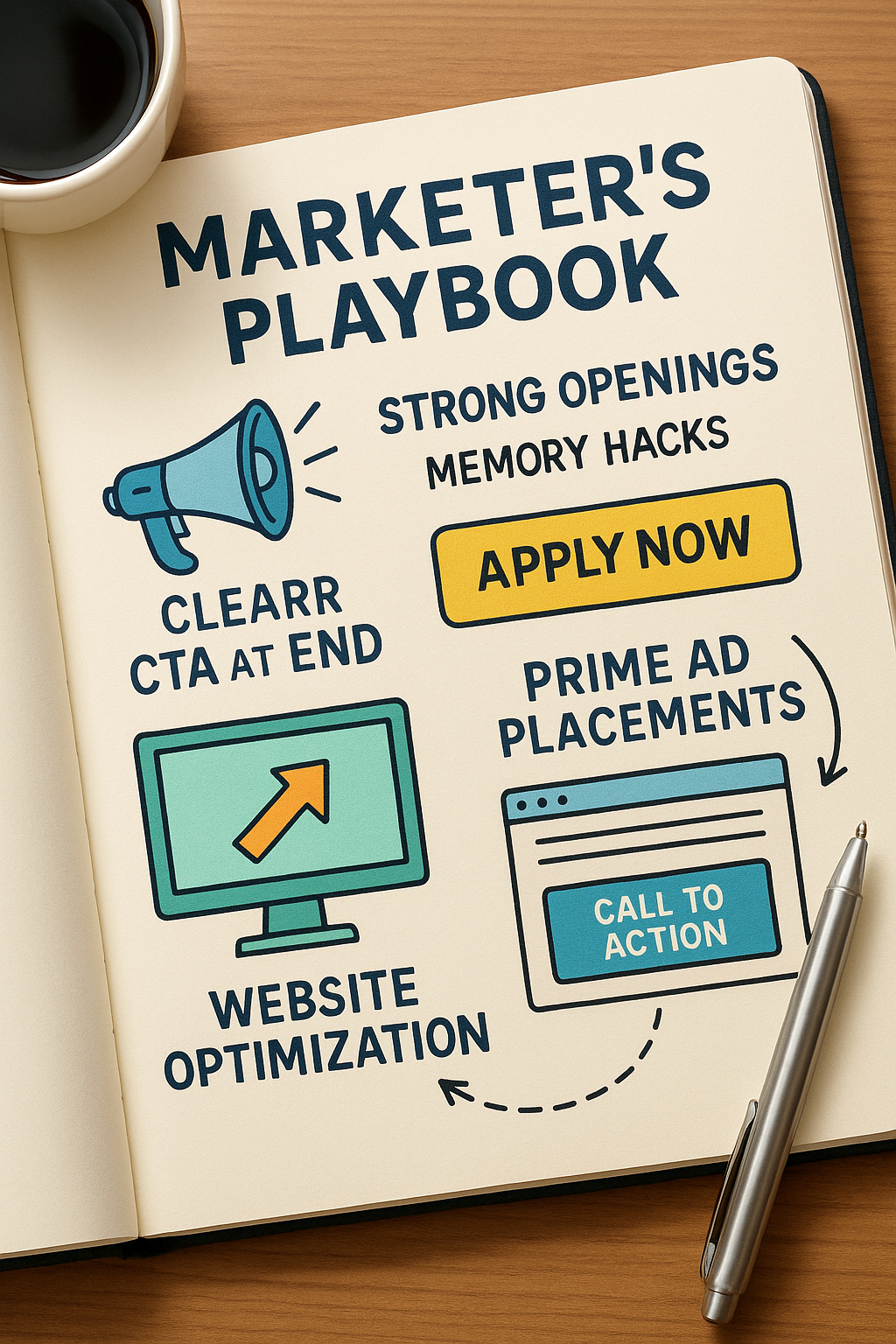
- Lead with a Mic Drop: Open with your killer headline, jaw-dropping stat, or the ultimate benefit. No warming up—jump right in.
- Close with a Call to Action (CTA): End with a crystal-clear, can’t-miss action. “Buy now.” “Sign up here.” “Share this post.”
2. Grab Those Prime Ad Slots
If you’re shelling out for ads, don’t bury them in the middle.
- Fight for First and Last Spots: TV, radio, YouTube pre-rolls, social media carousels—claim those VIP slots.
- Video Gold: Brand logo and key message front and center, then a repeat CTA and branding at the end.
3. Email Marketing: Be Brutally Efficient
No one reads a novel in their inbox.
- Top-of-Email Power: Your biggest offer, announcement, or discount? Put it first.
- Reinforce at the Bottom: Summarize benefits and slam that CTA just before they close it.
4. Websites & Landing Pages: Roll Out the Red Carpet
Don’t hide the good stuff.
- Above the Fold: Your unique value, trust signals, and main benefits live here.
- Footer Finale: Repeat CTAs, contact info, testimonials—catch them one last time before they bounce.
Brands That Know the Game
- Apple Launches: Start with a jaw-dropper, end with a compelling CTA (think pre-orders). You remember both.
- Amazon’s Homepage: Key promos stay above the fold. Scroll down? More calls to action and categories to explore.
- Super Bowl Ads: Their best spots? Right after breaks or just before the game resumes. They pay top dollar for those.
The Big Picture: Your Message vs. The Noise
In a world drowning in puppies, existential dread, and infinite TikToks, your message isn’t just battling competitors—it’s fighting for survival.
Using Primacy and Recency isn’t just smart; it’s essential. Make your message not just seen, but remembered.
The TL;DR for Busy Marketers:
- Primacy & Recency: People remember beginnings and ends. No exceptions.
- Boost Recall: Put your key points front and center to boost memory up to 40%.
- Use It Everywhere: Emails, ads, websites, presentations—all need killer intros and mic-drop finishes.
- Spend Smart: First and last ad spots? Worth every penny.
Your Next Steps (No Excuses)
You’ve got the secret—now use it.
- Audit Your Content: Check your last email, homepage, or ad. Do your key messages open and close with impact?
- Plan Your Impact: Next project, ask yourself: “What’s my unforgettable start? What’s my closing knockout?”
- Test & Learn: Run A/B tests on message placement. Track clicks, engagement, and yes, memory.
Stop hoping people remember. Start making sure they do. This isn’t just marketing—it’s connection, it’s impact, and it’s winning.
Frequently Asked Questions
The Primacy Effect is the tendency to better remember information presented at the beginning of a sequence because the brain is fresh and focused.
The Recency Effect refers to the tendency to better recall information that was presented last, as it remains in short-term memory.
How can I use the Primacy and Recency Effects in my marketing?
Place your most important messages at the start and end of your communications—emails, ads, presentations, and websites—to maximize recall and engagement.
Do the middle parts ever get remembered?
The middle is often the weakest spot for retention, which is why you should focus energy on structuring your message with strong openings and closings.
Are there studies that prove this works?
Yes. Real-world marketing research shows up to a 40% boost in brand recall for messages placed at the beginnings and ends of breaks or content.