
How Nike Turned Controversy into $163 Million and Revolutionized Marketing
Estimated reading time: 7 minutes
Key Takeaways
- Nike’s 2018 “Dream Crazy” campaign sparked massive online controversy yet generated an astounding $163 million in earned media within three days.
- The brand’s bold, authentic embrace of Colin Kaepernick resonated with its young, socially conscious audience and drove both sales and stock gains.
- Purpose-driven marketing, deep audience insight, and willingness to risk backlash paid off handsomely for Nike.
- Other brands like Ben & Jerry’s, Patagonia, and Gillette show similar success when standing firmly for values.
- Controversy, when rooted in authenticity and core values, can be your greatest marketing megaphone.
Table of contents
- Remember When Nike’s “Dream Crazy” Campaign Set the Internet on Fire?
- Why Nike Didn’t Flinch While the World Lost Its Mind
- The Digital Bonfire Was No Accident
- Sales? They Didn’t Just Hold Ground — They Skyrocketed
- The “Dream Crazy” Playbook: What You Can Learn
- Other Brands Nailing Purpose-Driven Marketing
- Your Brand Needs a Voice That Cuts Through
- Ready to Stop Being Forgettable and Start Being Unforgettable?
- Frequently Asked Questions
Remember When Nike’s “Dream Crazy” Campaign Set the Internet on Fire?
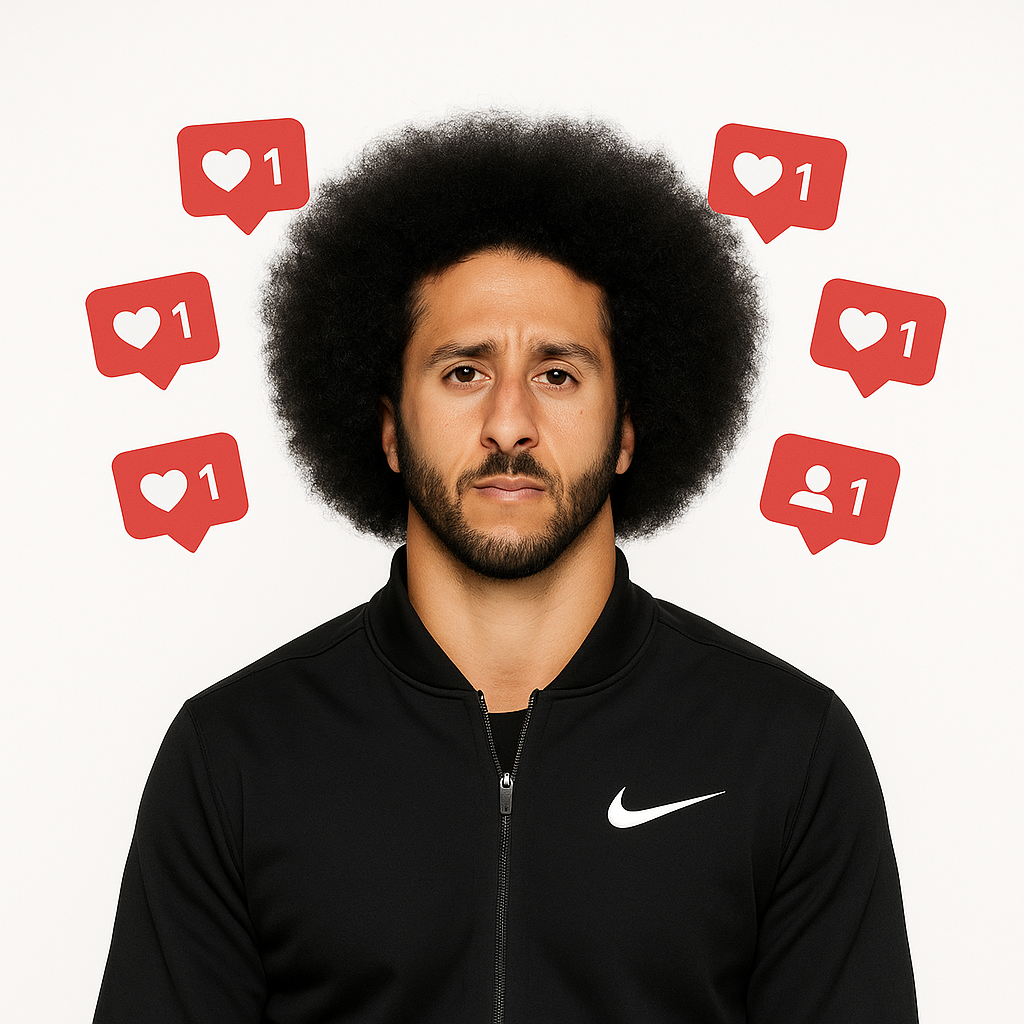
Flashback to 2018. Nike drops the bombshell: Colin Kaepernick—yes, that Colin Kaepernick—is the new face of their “Dream Crazy” campaign. The internet? It basically exploded.
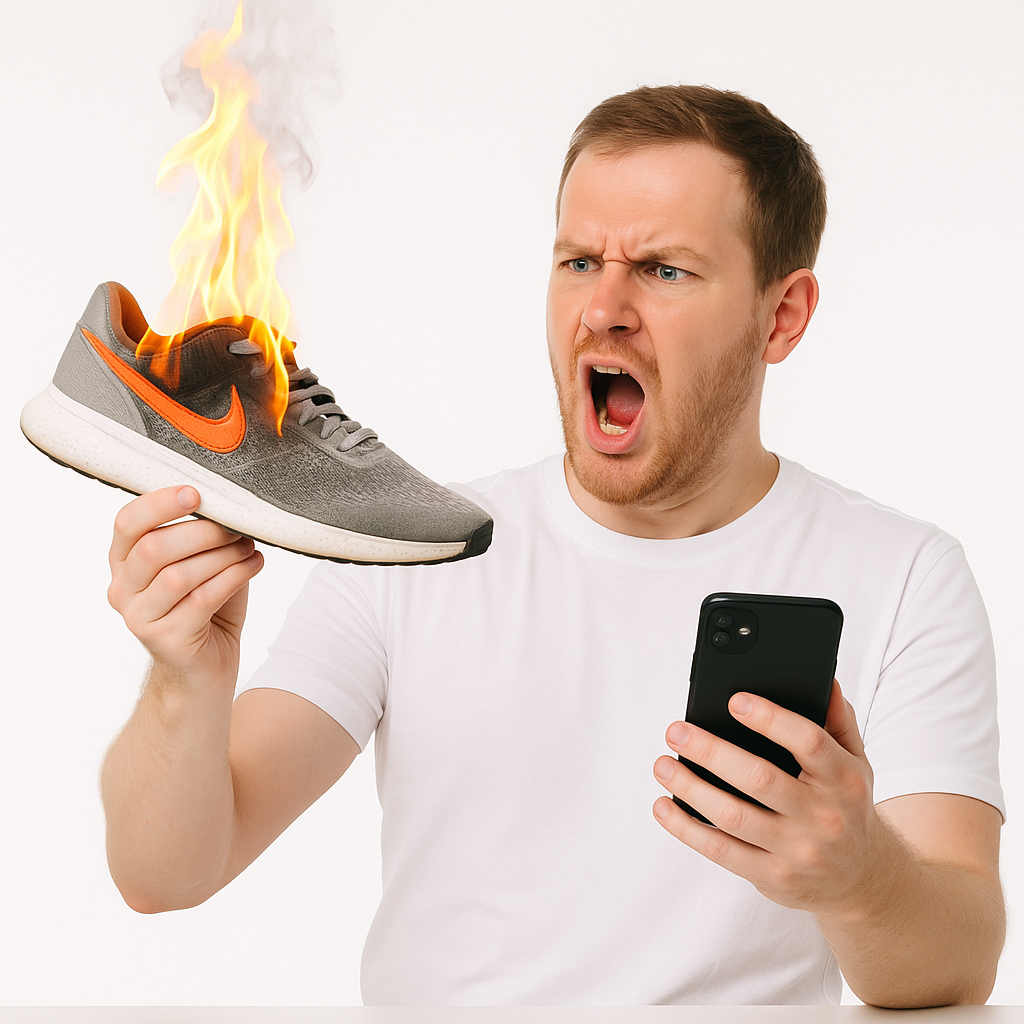
People burned their Nike kicks, launched boycott hashtags, and debated endlessly online. Sounds like disaster, right? But here’s the twist: in just three days, that uproar generated a staggering $163 million in earned media—that’s chatter, buzz, and headlines, not a dollar spent on ads. Meanwhile, Nike’s online sales shot up and their stock soared. Magic? Nope. Masterful marketing strategy.

Why Nike Didn’t Flinch While the World Lost Its Mind
Most brands would have run for the hills from such a polarizing figure. Nike? They leaned in with purpose. Why? Because they weren’t just selling shoes—they were selling an attitude, a vibe, a movement.
- Authenticity on Point: Nike has long championed boundary-breakers. Kaepernick’s protest wasn’t random—it was a powerful narrative that perfectly aligned with Nike’s spirit.
- Deep Audience Insight: Nike’s core crowd is young, diverse, and socially conscious. These aren’t customers who shy from causes—they expect brands to stand up.
- Calculated Risk vs Reward: Nike knew backlash was coming. They were ready. But they also knew gaining loyalty from their passionate base would outweigh the noise from critics. Think of it as losing a few battles to win the war.
The Digital Bonfire Was No Accident
The campaign lit up online in a wild, polarizing frenzy:
- Boycott Battles: Hashtags flew as people declared war on Nike.
- Sneaker Sacrifices: Folks literally filmed burning their own Nike gear (weird flex, but it happened).
- Clear Lines Drawn: You were either Team Nike or Team Against Nike. No in-between—making Nike the only hot topic.

Sales? They Didn’t Just Hold Ground — They Skyrocketed
While debates raged, Nike’s KPIs told a different story:
- $163 Million Free Media: All earned, all organic chatter. Imagine the ad budget savings!
- 31% Surge in Online Sales: More people bought Nike than ever—even as a vocal few burned their products.
- Record-Breaking Stock: Wall Street wasn’t fooled by the noise—they saw the strategic brilliance, and the stock reflected it.
Haters ended up being accidental brand ambassadors. Talk about irony.
The “Dream Crazy” Playbook: What You Can Learn
- Controversy Can Be Your Loudest Megaphone: When rooted in your brand’s core, it’s a conversation starter that cuts through the noise.
- Know Your Audience Inside and Out: Nike resonated because they truly understood what mattered to their customers.
- Authenticity Is Non-Negotiable: This wasn’t a stunt—it was a natural extension of Nike’s values.
- Brace for the Backlash: Strong stands invite pushback. Plan for it, own it, and be ready.
- Earned Media Beats Ads: When people talk, you win. Bold campaigns create buzz no budget can buy.
Other Brands Nailing Purpose-Driven Marketing
Nike wasn’t a lone wolf:
- Ben & Jerry’s: Loudly championing social justice through every delicious scoop.
- Patagonia: Environmental activism is their DNA, and customers pay premium for it.
- Gillette: Their #MeToo-inspired “The Best Men Can Be” campaign took a stand on evolving social values, sparking major conversations.
These brands prove purpose-driven marketing isn’t just warm and fuzzy—it’s smart business.
Your Brand Needs a Voice That Cuts Through
Nike’s “Dream Crazy” wasn’t just a campaign; it was a blueprint:
Calculated controversy + authentic purpose = massive business impact.
It’s about knowing your audience, standing firm on your values, and having the courage to inspire passion—even if you ruffle a few feathers. Because brands with real voices? They don’t just survive. They thrive.
Ready to Stop Being Forgettable and Start Being Unforgettable?
Here’s your action plan:
- Audit Your Brand’s Soul: Are you marketing who you truly are or just chasing trends?
- Understand Your Audience Deeply: What really drives them beyond your product?
- Be Bold but Genuine: Don’t fake it. People sniff out insincerity faster than a burnt sneaker.
- Have a Crisis Plan: Expect backlash. Plan your responses and assign roles.
- Track Everything: From chatter to sales spikes, measure and learn from every campaign move.
Go ahead, be the brand that everyone talks about—the one people love, share, and stick with. Because playing it safe? That’s the riskiest move there is.
Frequently Asked Questions
Why did Nike choose Colin Kaepernick for the campaign despite controversy?
Nike aligned with Kaepernick because his protest embodied their brand values of courage, authenticity, and standing for something bigger than products.
How did Nike benefit financially from the controversy?
Beyond $163 million in earned media value, Nike saw a 31% surge in online sales and a soaring stock, proving the buzz translated into real business.
Can smaller brands use the same marketing approach?
Yes, but it requires deep audience insight, authentic alignment with brand values, and readiness to manage potential backlash carefully.
What’s the biggest takeaway from Nike’s strategy?
Bold, authentic purpose-driven marketing that embraces controversy strategically can create unparalleled brand loyalty and business growth.